Sometimes, the Value Is Not in Building More. It’s in Integrating Better.
Across healthcare, more and more clinical platforms are feeling pressure to incorporate capabilities related to assisted documentation, medical transcription, and clinical automation. The conversation often starts the same way: expand the engineering team, accelerate the internal roadmap, or begin developing proprietary AI features from scratch.
But after a certain point, the challenge stops being purely technical.
In healthcare, building a feature does not guarantee clinical adoption. A tool can be technically impressive and still fail because it does not fit into the physician’s real workflow, because it creates operational friction, or because it increases cognitive load during consultations. In many cases, the real problem is not whether the technology works, but whether clinicians actually want to keep using it after the first few sessions.
That has been one of the most important lessons we have observed through real clinical pilots.
Many healthcare software companies already possess something extremely valuable: active relationships with clinics, physicians who use their systems daily, and a deep understanding of specialty-specific workflows. Building advanced documentation capabilities internally can take months — sometimes years — especially when those capabilities require clinical accuracy, traceability, specialty adaptation, physician validation, and seamless integration with existing systems.
For that reason, in some cases, the most effective path is not necessarily expanding internal development efforts. Sometimes, the real value emerges when two specialized platforms integrate effectively to solve a practical problem for the end user.
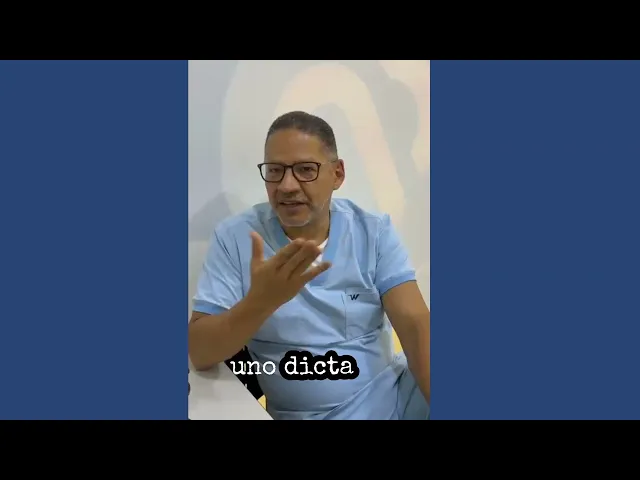
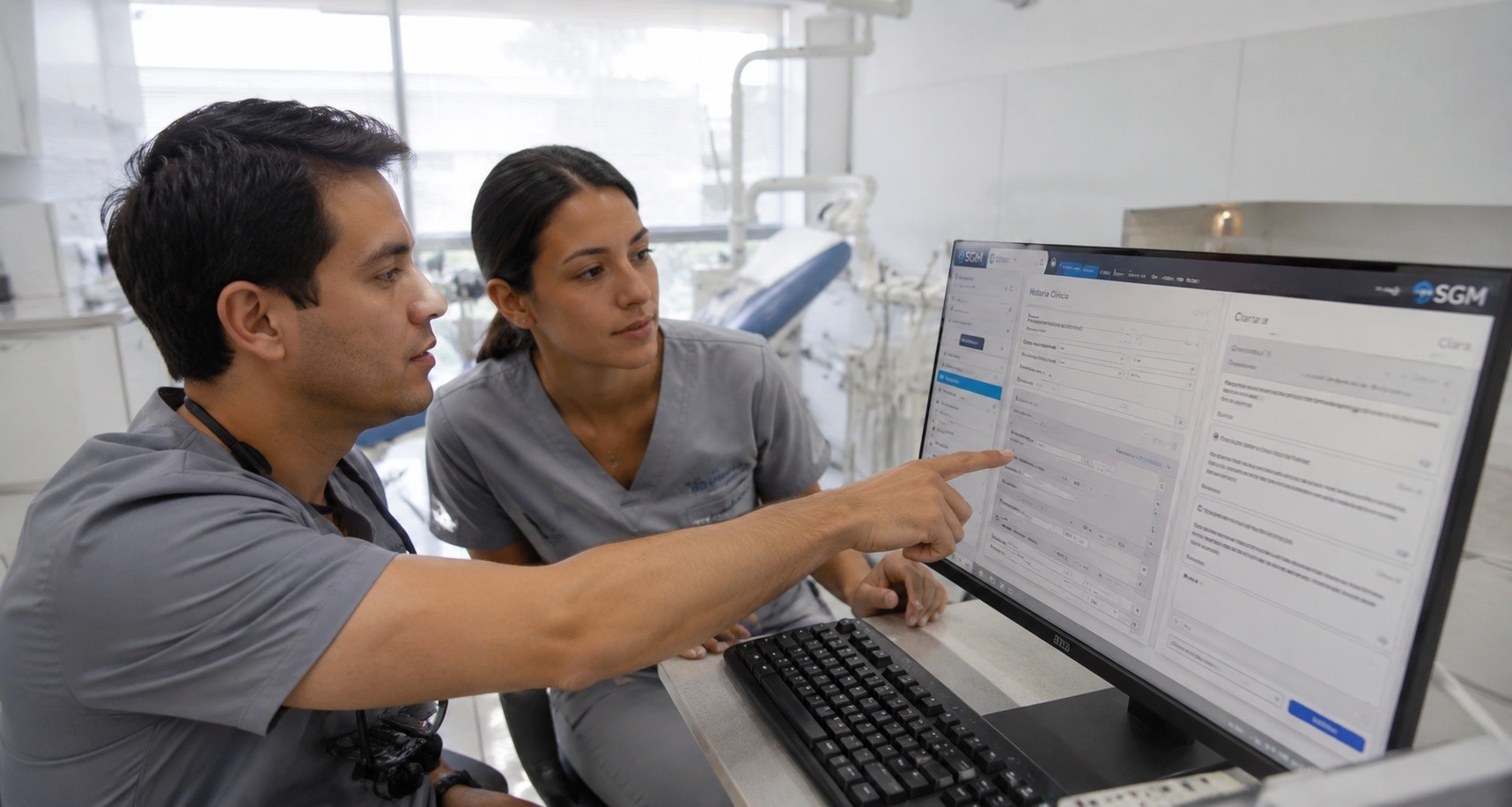
Last week, we experienced this firsthand during a real pilot conducted together with SGM, a dental-focused electronic medical record platform. The goal was not to replace their existing system or radically change how clinicians work. The objective was much more practical: validate whether Clara could integrate into a real dental workflow and help reduce part of the documentation burden during consultations.
As happens in almost every real implementation, several unexpected issues appeared along the way. There were microphone problems, differences between testing environments, manual template adjustments, and extensive validation of specialty-specific odontogram fields. None of this happened in a controlled demo environment prepared for marketing purposes. It was a real clinical setting, involving real physicians, real operational friction, and real workflow constraints.
And precisely because of that, the learning was far more valuable.