Sometimes, the Value Is Not in Building More. It’s in Integrating Better.
Across healthcare, more and more clinical platforms are feeling pressure to incorporate capabilities related to assisted documentation, medical transcription, and clinical automation. The conversation often starts the same way: expand the engineering team, accelerate the internal roadmap, or begin developing proprietary AI features from scratch.
But after a certain point, the challenge stops being purely technical.
In healthcare, building a feature does not guarantee clinical adoption. A tool can be technically impressive and still fail because it does not fit into the physician’s real workflow, because it creates operational friction, or because it increases cognitive load during consultations. In many cases, the real problem is not whether the technology works, but whether clinicians actually want to keep using it after the first few sessions.
That has been one of the most important lessons we have observed through real clinical pilots.
Many healthcare software companies already possess something extremely valuable: active relationships with clinics, physicians who use their systems daily, and a deep understanding of specialty-specific workflows. Building advanced documentation capabilities internally can take months — sometimes years — especially when those capabilities require clinical accuracy, traceability, specialty adaptation, physician validation, and seamless integration with existing systems.
For that reason, in some cases, the most effective path is not necessarily expanding internal development efforts. Sometimes, the real value emerges when two specialized platforms integrate effectively to solve a practical problem for the end user.
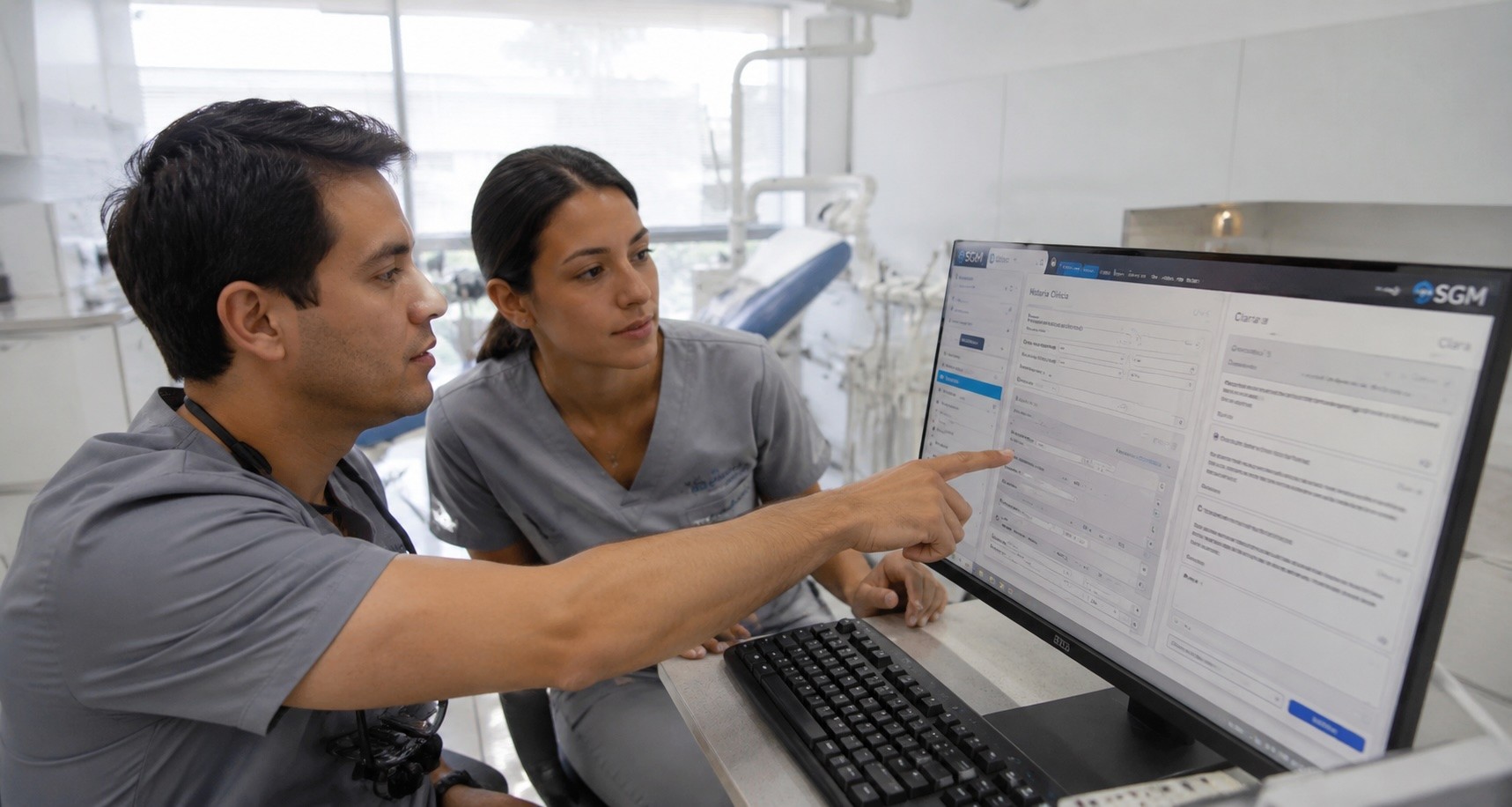
Last week, we experienced this firsthand during a real pilot conducted together with SGM, a dental-focused electronic medical record platform. The goal was not to replace their existing system or radically change how clinicians work. The objective was much more practical: validate whether Clara could integrate into a real dental workflow and help reduce part of the documentation burden during consultations.
As happens in almost every real implementation, several unexpected issues appeared along the way. There were microphone problems, differences between testing environments, manual template adjustments, and extensive validation of specialty-specific odontogram fields. None of this happened in a controlled demo environment prepared for marketing purposes. It was a real clinical setting, involving real physicians, real operational friction, and real workflow constraints.
And precisely because of that, the learning was far more valuable.
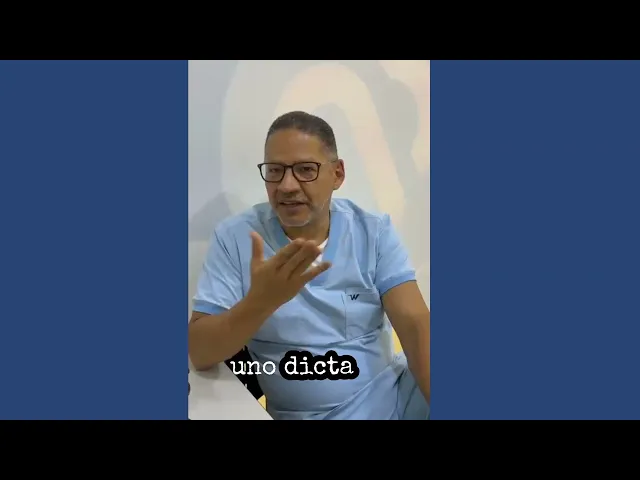
The most important part of the session was not watching the technology operate. It was listening to how the clinicians reacted once they saw the integration functioning within their existing workflow. Both Dr. Paz and Dr. Catarina initially assumed the system would only support the odontogram. As the pilot progressed, however, they quickly began identifying broader operational possibilities involving clinical history intake, structured documentation, forms, and workflow efficiency.
One of the most relevant observations was hearing how they described the potential impact not only for the dentist, but also for assistants and administrative staff. The conversation stopped being about “AI” and started becoming about something much more important: reducing operational time, improving continuity, and minimizing repetitive documentation tasks inside the clinic.
That shift in conversation matters.
In healthcare, adoption rarely happens because a tool appears innovative. Adoption happens when users quickly feel that the solution fits naturally into their routine without forcing them to completely change the way they work. The most valuable integrations are often the least disruptive: the ones that respect existing workflows, maintain physician control, and reduce operational friction without interrupting patient care.
That principle has been central to how Clara was designed from the beginning. Clara does not aim to replace existing clinical systems or alter medical judgment. Its purpose is to integrate into real workflows to help generate structured, editable, and traceable clinical documentation under physician supervision.
This type of collaboration also reflects an important shift that we will likely continue to see across the healthtech ecosystem. Many healthcare platforms do not necessarily need to rebuild every advanced capability internally, especially when it comes to real-time clinical documentation, traceability, and workflow intelligence. In many cases, a well-designed integration with a specialized platform can generate value for end users far more quickly than a long internal development cycle.
Especially when that integration has already been validated in real clinical environments.
The most important lesson from this pilot was not technical. It was confirming something much simpler: when a solution respects the existing clinical workflow and reduces operational friction from the very first sessions, the value becomes immediately visible to the end user.
And in healthcare, that difference can determine whether a feature remains an interesting experiment… or becomes a tool clinicians genuinely adopt.
Clara is not trying to change everything. It is designed to integrate where it can return time, traceability, and continuity to clinical work.
Interested in bringing clinical documentation capabilities into your healthcare platform?
The lessons from our work with SGM reinforced a simple principle: successful healthcare technology fits naturally into existing clinical workflows.
Learn how Clara works with healthcare software companies, hospitals, and innovation teams.